Not about pencils, but those two brands were my favorite when hand drawing PCBs on copper boards. I had used before a dedicated PCB marker (can't recall the name, ink was blue and it had a spare white tip on the back, they didn't last much) which left all sorts of unwanted marks while making nearly impossible drawing thin lines, aside costing like 5x.
One day I brought home some Faber Castell and Staedtler water resistant (this is important!) fine tipped markers and they opened a new world: sub-mm lines, well defined traces and very easy to use without leaving marks, almost like drawing on a piece of cardboard, and they lasted a lot and cost a lot less.
Clean the surface, then draw gently so you give time to the ink to transfer to the surface, then correct if needed using common alcohol on a swab.
I have one of those still working; bought probably in the mid 90s.
A lot of places actually use Japanese pens and pencils. But those are not commonly sold in Europe or the US. It seems like Japan is pretty bad at exporting things outside of Asia.
That said Montblanc is not a small company anymore it belongs to Richemont SA the third largest luxury goods company in the world. When I wanted to buy a fountain pen I ended up buying a small German brand who's name I forgot. The Montblanc ones were expensive, so-so in the hand and generally not very pleasant to write with IMHO. I do generally like Rotring though.
Pentel is probably one of the most common mechanical pencil companies in the US and is Japanese. They are so common in fact I didn't even know this till I was in a Japanese language class in college and my professor asked me where my pencil was made to point out this fact and it came as a surprise.
Similar here. When I first saw "Penteru" in Japan, I had to stop and figure out who had imported what, but even the way the logo text was rendered in Japanese made it pretty obvious. That was a surprise for sure.
-While you mostly (around here, in the Norwegian boonies at least) will have to go to a specialist shop to get Japanese pencils (I've a box of Mitsubishi Hi-Unis on my desk as I type this), any two-bit shop carries a bunch of Japanese rollerballs (Mostly Pilot and Pentel) and fine-liners (Sakura).
It’s amazing that they have managed to stay independent where companies like Rotring [0] and Parker have not. Most of these stationery brands have been rolled up into bundles of like brands, but not the famous German ones like these.
Of course, there are a lot of ways to explain this but it seems strange to me it did not converge on a patent dispute this being Germany, and they already had a lawsuit over claims on being the oldest manufacturer, what's another one between friends.
Makes sense, thanks for that tidbit of information! These are my favorite for doing colour shading by taking the ones that are all color no wood and shaving the color off with a utility knife for rubbing the shaved color into paper. Looks really nice, almost like watercolor.
When I was in Japan I bought an unassumingly Adidas branded mechanical pencil that is actually a Uni-ball Kuru Toga pencil produced by Mitsubishi Pencil [1]. Apparently this pencil has a clever patented innovation that ensure this mechanical pencil to be always in sharpen shape while writing. The Kuru Toga technology (literally means 'turning' and 'sharpen') actually rotates the graphite lead every time it is lifted from the page to sharpen it into an even cone shape. Needless to say that it has becomes my favorite pencil that I use very frequently.
Combine this with Prismacolors/Verythin and BIC Cristal Xtra Bold Ballpoint Pen, Bold Point (1.6mm) and you have classic set for sketching ideas, logos, fonts or icons.
The Mittelstand mentality seems contradictory to me: I've always associated financial risk-taking with a long-term mentality. You have to be thinking in growth terms to take financial risks, and it's the exploit end of the explore-exploit trade-off not to take financial risks. These companies sure have longevity, but I have doubts that they would have done worse in 99% of cases when loaning money would have made long-term business sense.
Getting a bank loan (as a company) is actually really difficult in Germany, despite bank rate being negative for years now. Even for a business that does astoundingly well it will be very hard to get a loan if income is consistently re-invested -- so essentially banks only wanna lend money to businesses who have no need for it.
I think they're successful because 95% of manufactured goods are pretty similar to what they were 50 years ago, just with steady incremental improvement. VC backed firms have done a great job with new tech, but if you're making an industrial pump, crane or mechanical pencil you dont need to move fast and break things.
Could you explain a bit more, I don't really understand what you are saying. Do you mean they would have been better off to just borrow money/get investors to grow aggressively? And by better off, do you mean be worth more or be more long-term secure?
Risk-taking is necessary for a long term chance at riches, but not long-term survival. Consistently making inflation plus iota is what you want for the latter.
It's worth noting that many larger mittelstands companies have significantly higher R&D budgets (percentage wise) than lots of aggressive growth companies. In fact I'd argue if you want to grow quickly investing in R&D is often a bad strategy, because the payoff is much more long-term and less clear.


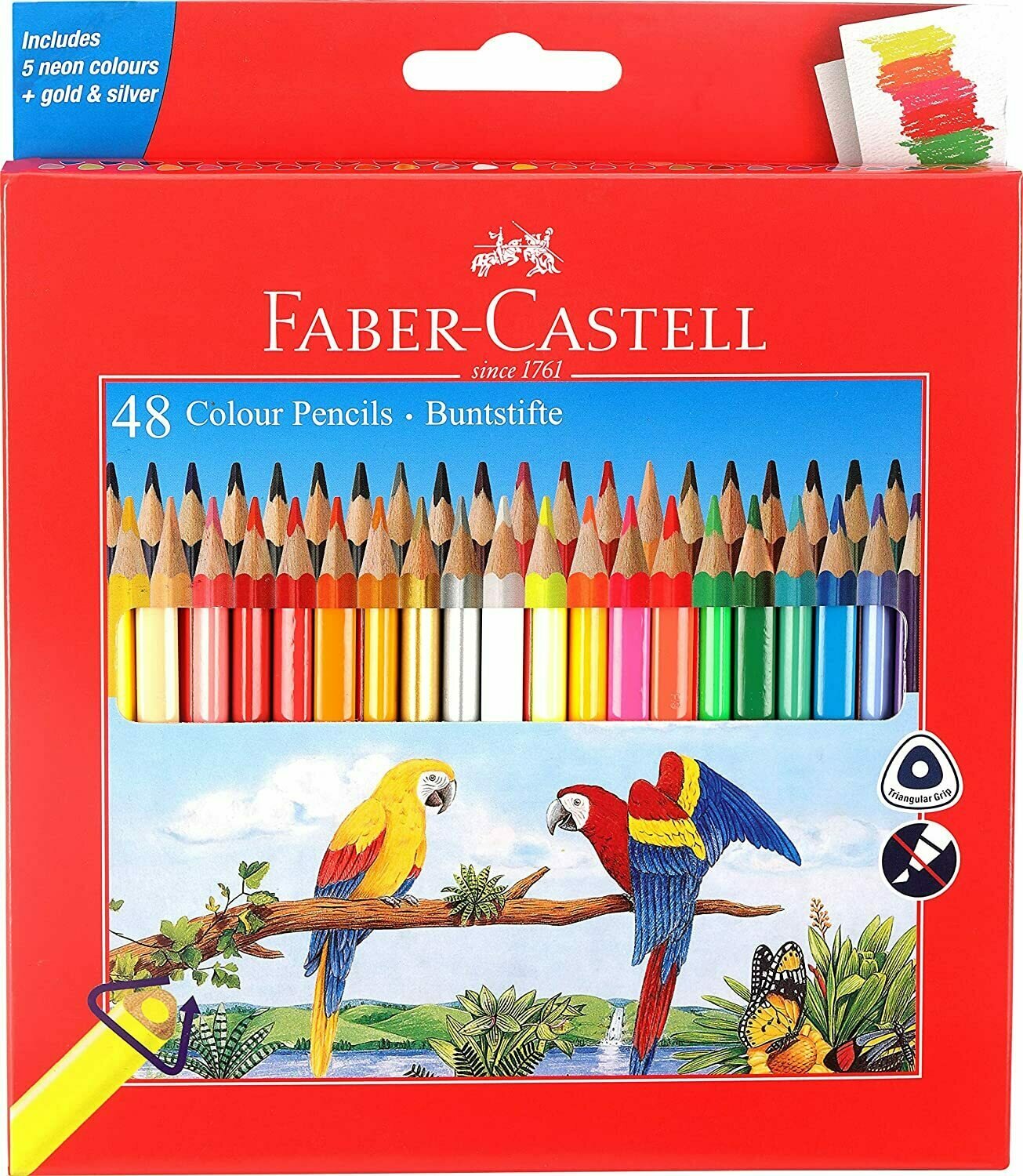
I have one of those still working; bought probably in the mid 90s.