Power/Performance ratios were used against AMD when AMD was already lagging behind in performance, and power was actively hindering performance (via heat generated which was actively limiting headroom for clock speeds)
No one complains when a chip is performing extremely well and taking a lot of power like the i9 clearly is, they complain when a chip is taking a lot of power and underperforming
-
And honestly the whole TDP debate is a joke, everyone wants their own deeply flawed benchmark, some people want it to be TDP with AVX-512 instructions which is not a realistic workload for most people, some people want what Intel puts on the box.
TDP is like process nodes. It used to be easy to just compare two numbers, but with complex boosting rules, increased core counts, weird interactions with AVX and all those cores, it's pointless to just compare.
What matters in non-commercial consumer land is can it be cooled by a reasonable cooling solution. When you're talking about a $100 CPU "reasonable" is what usually comes in the box. When you're talking about $500+ I would say a 2 fan AIO or a high-end air cooler is what's reasonable (that's why there's no cooler in the box once you get to this performance point), and reviews are showing it performs just fine with both
Actually... as if to make my point about TDP, some reviewers were finding this not to be the case. Turns out some mobo manufacturers enabled "MCE", which essentially throws voltage at the CPU to try and get higher clocks with more cores enabled. It doesn't follow Intel's specs to do this either: https://www.anandtech.com/show/6214/multicore-enhancement-th...
So just like almost every "automatic overclocking" solution for a CPU that's been shipped, it throws the TDP completely out the window. And so if you did expect Intel's TDP to be correct you'd be sorely disappointed, but if you based the TDP on what those motherboards will dump you'd also have an unfair comparison, yet I promise people will be holering from the mountaintops that those numbers those reviewers found are the real numbers...
TDP is never really going to do that, you need to look at each component's quality relative to other components of the same type.
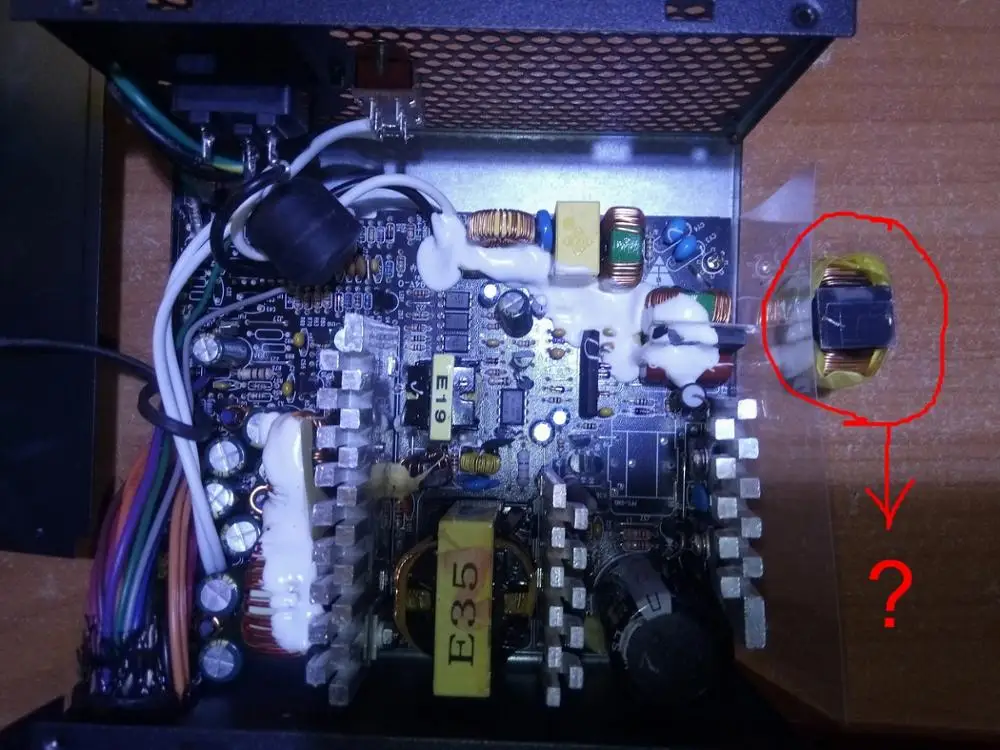
There are a lot of "1000W" PSUs out there that will blow up at any load within a year or two (or just come falling apart: https://ae01.alicdn.com/kf/U7f175c32ac9844f7ac869f1285e1c284...), meanwhile a quality 500W PSUs will hum along for years with a combined manufacturer stated TDP well above that number.
Same with motherboards, if it's a quality motherboard, and it supports a certain CPU, it's going to work well. Any crappy motherboard can claim it will handle any CPU.
VRMs are pretty disproportionately marketed anyways, unless you're chasing records with LN2, VRMs aren't going to matter very much. People like Buildzoid have gotten people whipped up in a frenzy over it, but the $50 - $100 extra dollars people are spending over VRMs are much better spent in so many other places (or just kept in your pocket), especially when you consider the boards that support overclocking will almost always have good enough VRMs in this day and age


No one complains when a chip is performing extremely well and taking a lot of power like the i9 clearly is, they complain when a chip is taking a lot of power and underperforming
-
And honestly the whole TDP debate is a joke, everyone wants their own deeply flawed benchmark, some people want it to be TDP with AVX-512 instructions which is not a realistic workload for most people, some people want what Intel puts on the box.
TDP is like process nodes. It used to be easy to just compare two numbers, but with complex boosting rules, increased core counts, weird interactions with AVX and all those cores, it's pointless to just compare.
What matters in non-commercial consumer land is can it be cooled by a reasonable cooling solution. When you're talking about a $100 CPU "reasonable" is what usually comes in the box. When you're talking about $500+ I would say a 2 fan AIO or a high-end air cooler is what's reasonable (that's why there's no cooler in the box once you get to this performance point), and reviews are showing it performs just fine with both
Actually... as if to make my point about TDP, some reviewers were finding this not to be the case. Turns out some mobo manufacturers enabled "MCE", which essentially throws voltage at the CPU to try and get higher clocks with more cores enabled. It doesn't follow Intel's specs to do this either: https://www.anandtech.com/show/6214/multicore-enhancement-th...
So just like almost every "automatic overclocking" solution for a CPU that's been shipped, it throws the TDP completely out the window. And so if you did expect Intel's TDP to be correct you'd be sorely disappointed, but if you based the TDP on what those motherboards will dump you'd also have an unfair comparison, yet I promise people will be holering from the mountaintops that those numbers those reviewers found are the real numbers...