> Saturn's hexagon is a persisting hexagonal cloud pattern around the north pole of the planet Saturn, located at about 78°N.[1][2][3] The sides of the hexagon are about 14,500 km (9,000 mi) long,[4][5][6][7] which is more than the diameter of Earth[8] (about 12,700 km (7,900 mi).
Why do the two photos at the top of that article look so weird? They look like 3D renders almost. Is that what it actually looks like to the eye too, if one looked at Saturn from a spacecraft orbiting around it?
They look like bad 3D renders because there are no walls and no sky in space, so all the light comes directly from the sun and shadows are absolutely black. The image looks different than with the naked eye though, because they filtered certain wavelengths. https://www.nasa.gov/jpl/cassini/pia18274
Shadows in space are often very high contrast, as there's no ambient light. Simple 3D renderers don't handle ambient light either, as simulating it can be very computationally expensive (instead of e.g. one light source, pretty much everything in the scene acts as a light source with the light it reflects). These images in particular are also in near-infrared, so they may look a little different to colour images of Saturn you've seen.


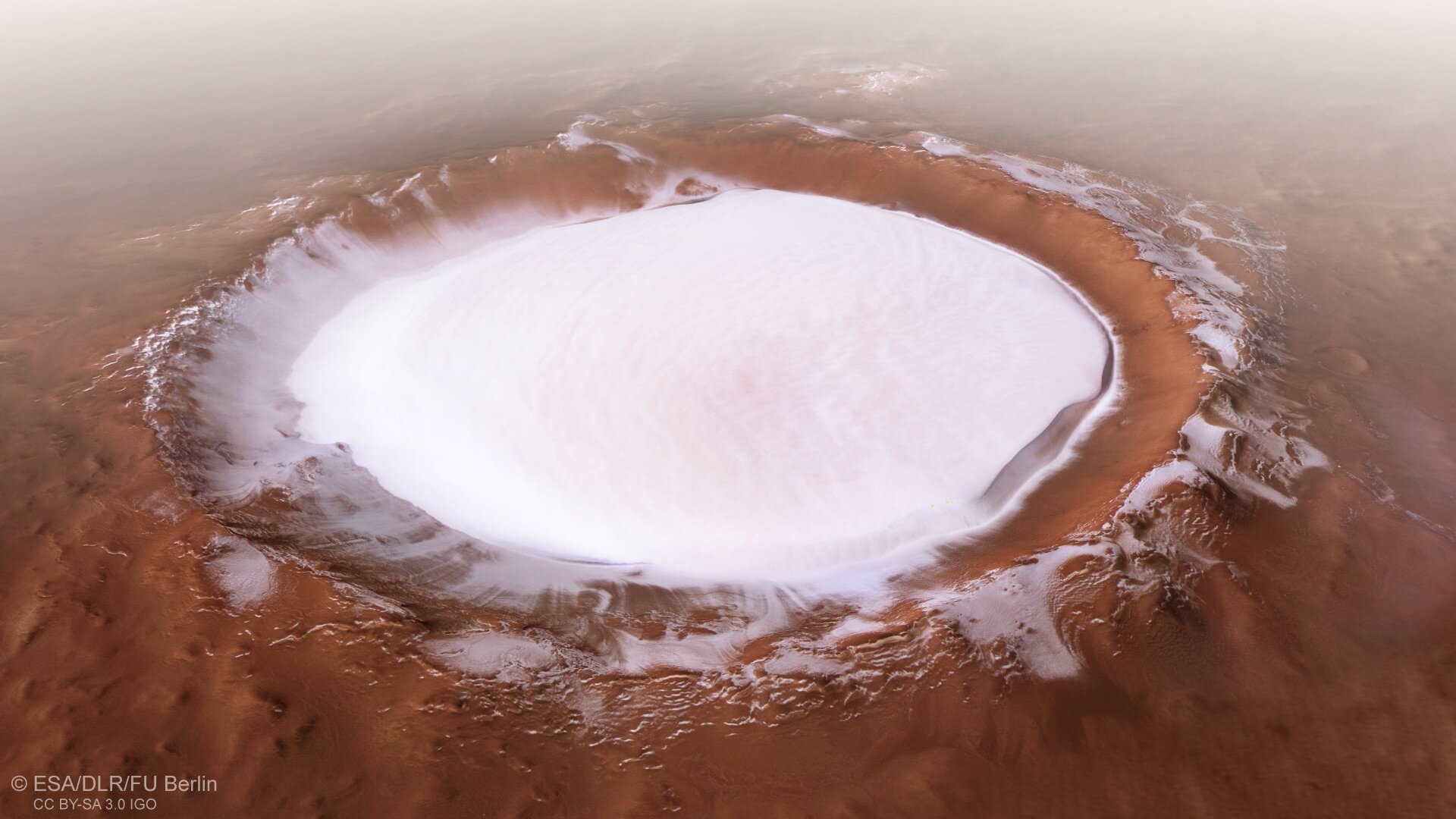
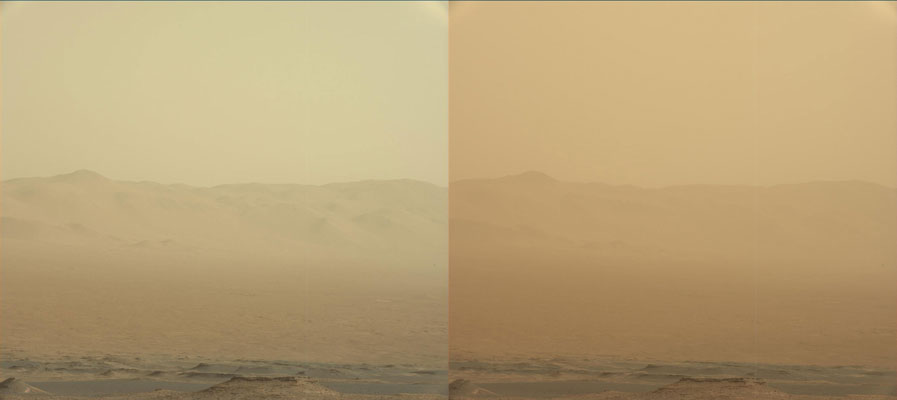
> Saturn's hexagon is a persisting hexagonal cloud pattern around the north pole of the planet Saturn, located at about 78°N.[1][2][3] The sides of the hexagon are about 14,500 km (9,000 mi) long,[4][5][6][7] which is more than the diameter of Earth[8] (about 12,700 km (7,900 mi).